



Drone Training & Professional Photography
Unique outback photography books featuring Australia's largest & most famous cattle stations.
These 3 coffee-table style books are designed to be a set. They contain more than 800 fascinating photos taken on nearly 60 huge cattle stations spread across the top of Australia.
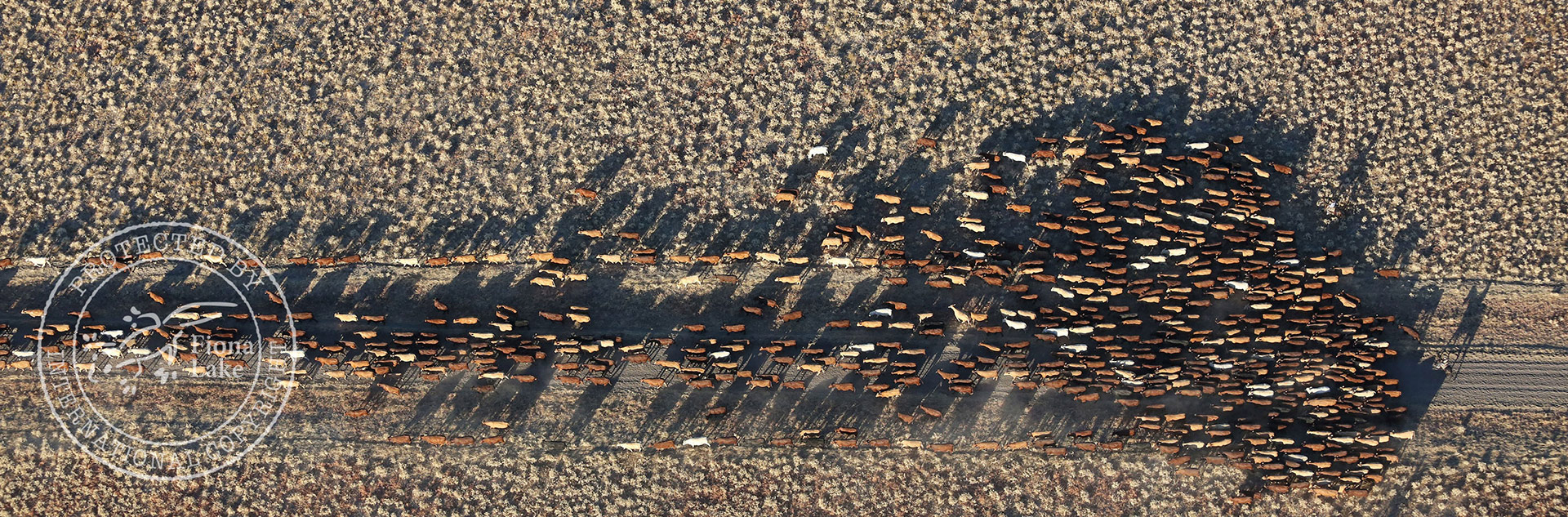
"Biggest Mobs - Longest Shadows" features the iconic Barkly Tableland, where the largest herds of cattle on the planet are found.
"Life as an Australian Horseman" is a best seller, running through a stockman's typical week on a variety of huge cattle stations spread across northern Australia.
A glossary is included in "A Million Acre Masterpiece" and these photos of outback cattle stations date back to 1984.
These authentic outback books are enjoyed by a wide range of people - read what other people think in testimonials. Or find out more about the book contents.
*PLEASE NOTE*: As of 31 October 2022, these 3 outback cattle station books are no longer available for purchase via the website. Please use the contact form if you have any queries.

Special offers
Orders for 2 or more books receive a great discount plus a free carrybag (when in stock).
Overseas orders - for 1 or more books - receive a free carrybag (when in stock).
Corporate orders - generous discounts apply to bulk orders - ask for a quote.
Welcome to my website - you're in the right place if interested in:
- Workshops & 1-to-1 training - drones & photography (including phone photography lessons)
- Event/conference speaking
- Outback & aerial commercial photography
- Regional life & agriculture
- Travel
I'm a professional drone trainer/educator & commercial photographer. I've been selling photographs since 1982 and my time is now primarily spent running training & workshops, to pass on decades of experience so others don't have to also learn the hard way.
This big old website is now more than twenty years old - dinosaur era in internet terms. The 500+ pages (including the blog) cover a lot of detail rarely found elsewhere. My business has evolved into a multi-faceted beast - but the bottom line is a mixture of useful practicality and original thought.
Multiple awards have been received - local, national & international (some are listed further down this page).
While new/old house renos are underway I'm mostly doing personal drone lessons - tailored specifically for each individual. More info here --> Personalised drone lessons
(My website reno is still waiting - it will happen before December, as age-related glitches are now ocurring!)


This is the largest/oldest rural website in Australia, created before smart phones & social media - when there were no other Australian rural information websites online. The site map will help you find your way around the website, and the subject index is useful for the blog. Here's a summary of what keeps me busy at present:
- WORKSHOPS & PRESENTATIONS: Passing on what I've learned over 40+ years on a variety of topics. Now primarily via the Rural Drone Academy - drone use for agricultural, general or photographer purposes. Workshop information, upcoming workshop dates & comments from workshop participants.
- IMAGES - for commercial use: Photography commission details and drone photography.
Previously I've been involved in many related aspects, eg:
- OUTBACK BOOKS: Featuring images of Australia's largest cattle stations, the largest 'ranches' in the world. All 3 books are sold out however you may find some online, via third parties.
- ART EXHIBITIONS: Have been held in some of Australia's largest capital cities to a variety of regional & remote locations, plus the Australian Embassy in Washington DC (opened by Ambassador Joe Hockey)
- FARMING & PHOTOGRAPHY TOURS: Pre Covid19 pandemic, I was involved in overseas farm tours; for example leading the 2019 Ireland & UK farm tour.
I spend a lot of time rushing about but at least once each year try to sit long enough to produce a newsletter, with useful info & some images from my travels that nobody else gets to see. If you'd like to receive it please let me know via the Contact page.

Overseas Farm Tours:


Outback Books:
To date I've produced 3 books featuring more than 800 of the best photos I've taken on more than 60 of Australia's largest cattle stations since 1984. These are the largest cattle stations in the world. Some of the photos in the books can be seen in the website header (top of this page); and the cover of the last book is above. Thousands of copies have sold and many buyers have generously taken the time to send me email messages saying what they think. Some of these fabulous messages can be seen on the Testimonials page. These timeless books are loved equally by people who have lived on cattle stations and by people who've only dreamed of life in the outback.
I love hearing other people's stories. So if you'd like to, don't hesitate to tell me a bit about yourself and/or what you've thought about the books or workshops.

Some 2017-24 career highlights:
- 2022 Women in Emerging Aviation Technology - Hall of Fame - one of twelve inaugural inductees (global)
- 2022 AirWards finalist, Education & Research (6 finalists worldwide)
- 2021 Industry Award for Education & Safety, from Australia's largest drone organisation, AAUS
- 2020 International Federation of Agricultural Journalist's 'Star Prize' for Photography (the IFAJ has more than 50 member countries).
- Repeat invitations to speak at the largest drone conferences on 4 continents
- Queensland Rural Press Club - photography & social media awards
- Chicago-based Women & Drones - named as one of 10 'Women to Watch in UAS' (unmanned aviation systems), globally
- Agrifutures Rural Women's Award finalist - Rural Drone Academy project
- Queensland Government 'Community Digital Champion' & '100 Faces of Small Business'
- Queensland Rural, Regional & Remote Women's Network 'RRR Storyteller' award
Also:
- One of the few to have had an exhibition opened by an Australian Governor-General (Major General Michael Jeffery) and Australian Ambassador to the US (Joe Hockey)
- An ABC Television 'Landline' feature story (screened 11 times)
- The first Australian appointed to the 3 person panel judging the International Federation of Agricultural Journalist's 'Star Prize for Photography'
- The first Australian to deliver a presentation at a number of the world's largest drone gatherings


Australia's largest outback cattle stations - in summary:
I started photographing the world's largest cattle stations in 1984. These vast outback stations (ranches) are spread right across the top half of the Australian continent - a sparsely settled remote region measuring more than 2,000km north to south and more than 3,000km from east to west. Quite a few Australian cattle stations are more than 10,000 square kilometres (3,860 square miles) in size and run more than 20,000 cattle in average seasons. Several now run more than 100,000 cattle. Until recently most northern outback stations still preferred to rely on stockhorses for walking mobs. On many, stockcamps are still usual for at least part of the year.
Many of the station scenes and activities I've captured over 35+ years, and included in my books, no longer exist. While on some of the remote stations I lived on, I would have laughed if you told me one day there'd be television, internet & phone services provided by satellite. I've seen a lot of changes and what I do is unique - worldwide. These are topics I'm sometimes asked to cover in workshops & other public speaking engagements.
Social Media Accounts:

Blogs were still rare when this website was created. And social media accounts and smartphones hadn't even been invented. Different content is posted on different platforms - there is only occasional crossover:
- @Twitter - @FionaLakeAus - instant, global conversations regarding agricultural innovation & science/conservation; travel, weather & drones.
- @Twitter - @Agri_Events - an account dedicated to promoting news regarding global agricultural events, rural grants/awards, farming education & charities. The largest account of its kind in the world.
- LinkedIn - a self-updating business card file and 24/7 free conference in whatever specialty you choose your contacts from. I'd love to include you in my network of more than 7,000 very specific contacts (agriculture, agtech, drones, photography & media), so please don't hesitate to send me a connection invitation. But - do explain the specific interests that we have in common.
- Facebook page - primarily useful photography & travel information.
- Instagram - an assortment of random WYSISYG posts, mostly short videos, taken with my phone while travelling.
Sometimes I'm roaming around the countryside & can be hard to contact:
- As this is a one-person business you receive personal service - but the office is closed when I'm travelling.
- The future events blog page lists the dates when the office will be closed and regions/events I am attending.
- Don't hesitate to contact me (details below) if you have any queries regarding Rural Drone Academy training, photography workshops or photography commission work.
Thank you to everyone who has bought some of my outback books. The income has helped me continue the rural advocacy work I undertake and record remote area history before it disappears.