



Hanging & Caring For Art
Most of the information on these pages refers to the most commonly produced prints, on photographic paper, however canvas and metal prints are also available.
Caring for Unframed Art
Unique outback photography books featuring Australia's largest & most famous cattle stations.
These 3 coffee-table style books are designed to be a set. They contain more than 800 fascinating photos taken on nearly 60 huge cattle stations spread across the top of Australia.
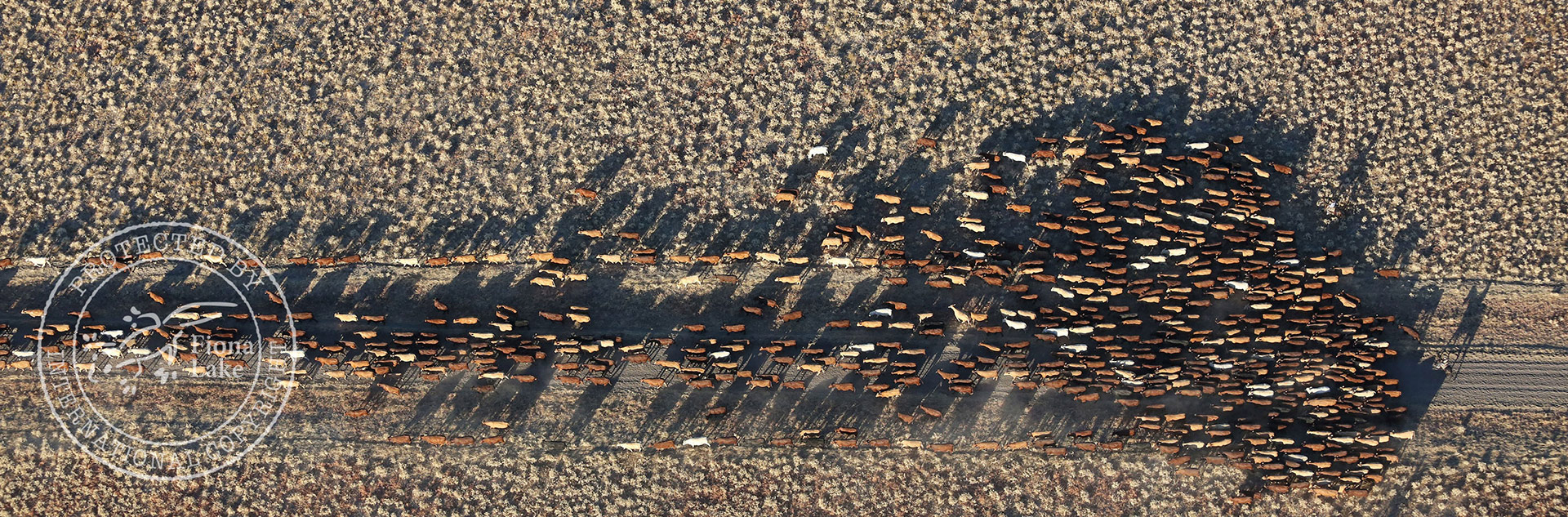
"Biggest Mobs - Longest Shadows" features the iconic Barkly Tableland, where the largest herds of cattle on the planet are found.
"Life as an Australian Horseman" is a best seller, running through a stockman's typical week on a variety of huge cattle stations spread across northern Australia.
A glossary is included in "A Million Acre Masterpiece" and these photos of outback cattle stations date back to 1984.
These authentic outback books are enjoyed by a wide range of people - read what other people think in testimonials. Or find out more about the book contents.
*PLEASE NOTE*: As of 31 October 2022, these 3 outback cattle station books are no longer available for purchase via the website. Please use the contact form if you have any queries.

Special offers
Orders for 2 or more books receive a great discount plus a free carrybag (when in stock).
Overseas orders - for 1 or more books - receive a free carrybag (when in stock).
Corporate orders - generous discounts apply to bulk orders - ask for a quote.
Photographic prints need careful handling to avoid damage. Minimal handling is recommended before framing.
-
Avoid fingerprints.
If possible wear cotton gloves whenever handling photographic prints, or touch only the very edges. Even the cleanest fingers will leave fingerprints that could mark the surface of paper over time.
-
Avoid creases.
Photographic prints are guaranteed to crease if twisted or squeezed when rolled up. To view, tip prints gently out onto a firm surface such as a large table and carefully cut or peel off any tape holding the roll tight. Prints may curl if they have been rolled up for a while so use felt weights on the corners. (Improvise weights by using sock-covered coffee cups.) When rolling up photographic prints take your time and be gentle.
-
Avoid scratches.
Keep prints free of dust to avoid scratches on the image surface and do not wipe photographic print surfaces.
-
Storage.
If photographic prints are to be stored for years before framing, they should be packed in acid-free materials. The packing materials your prints arrive in are meant for short-term storage only. Photographic prints are best stored flat in a sleeve rather than rolled.
-
Framing recommendations
Please refer to Framing Information for details.
Caring for Framed Artwork
All artwork needs to be looked after if it is to remain in the best possible condition. To avoid fading, mould and other damage to stored or hanging art, avoid as much as possible: situations in which it will be exposed to direct sunlight, excessive heat, extreme temperature fluctuations, damp walls and high humidity. Ensure art is well dusted/cleaned when humidity levels rise.
Good ventilation is desirable in tropical regions where humidity can be exceedingly high. Ceiling or other fans are essential to ensure good air circulation. If air conditioning is used in tropical regions then air should be dehumidified as well as cooled. Temperature reductions in hot, humid air cause water vapour to condense, and condensation + minute dust particles = mould.
Prints on metal may be a good alternative if you wish to hang an image where there is a lot of moisture, eg. in a bathroom, however like photographic paper and canvas prints, it should be kept out of direct sunlight to ensure maximum image permanence.
Hanging Your Art
Avoid stick-on wall hooks, especially in very hot or humid regions, because I’ve heard horror stories of smashed glass and damaged frames resulting from these hooks parting company with the wall during a heatwave.
Most of the 76cm x 50cm (30” x 20”) photographic prints measure approximately 1 metre x 80cm when framed and they weigh 7-8 kilograms. Stretched canvas prints are lighter. If hanging large, conventionally framed photographic prints, make sure the packaging on your hooks states that they are suitable for at least 10kgs, preferably more (to be on the safe side).
Gallery hanging systems are ideal if you don’t like hammering or drilling holes in the walls every time you want to shift art about. An unobtrusive rail is screwed high up on the wall and clear plastic tapes or fine stainless steel cables slide along it. A few hundred dollars will buy enough for an average family home. Our picture hanging system is Australian made and designed, from The Gallery System. No more agonising over crooked pictures because you can easily adjust the height whenever you like. It improves domestic harmony a great deal and means artwork can be quickly and easily moved about.
Lighting Your Art
As mentioned in the Framing Information section, some rooms have excessive light reflections that can detract from the appearance of art framed with ordinary glass. Some people like to counter this problem by purchasing photographs printed on canvas. An alternative is to pay extra for non-reflective glass but I believe this extra money is much better spent on installing better lights, as non-reflective glass will only detract from the enjoyment of the print underneath (as well as letting more damaging u.v. light through).
Thoughtful lighting turns a good piece of art into an attention-grabbing feature. Art can be well lit from sconce-style lights on the wall either side or by overhead spotlights inset unobtrusively into the ceiling. Track lighting that can be moved along the rails when you change your art around works extremely well too. The Gallery System sells track lighting as well as the hanging system mentioned above.
Good electricians and lighting shops should be able to provide useful advice, for example which light types are best avoided as they generate a lot of heat. Checking out what is being used in shops and offices and by friends can provide some good first-hand ideas as to what works well and what doesn’t, also.
When installing art and lighting take care that the lights aren’t located so close to the artworks that they heat them up. Leaving any sort of lights on continuously may eventually cause fading, too. There are other practical reasons for turning lights off near art when not required. For example because the insects attracted to the lights will seek nearby places to hide, and you don’t want them to find their way inside the frame nor do you want to be cleaning the glass any more than is necessary. In the tropics turning the lights on only when required means the ever-present geckos will make less of a mess behind hanging pictures too (because they’re less well fed) and less restaurant fare means the lizards are less likely to take up permanent residence behind valuable art.
'Biggest Mobs - Longest Shadows', 'A Million Acre Masterpiece' & 'Life as an Australian Horseman' contain hundreds of classic images of Australia's largest and most famous outback cattle stations. Many of these images can also be purchased as low-run limited edition artworks - ideal for Australian corporate gifts and memorable personal presents. Limited edition images can be printed onto photographic paper or high quality canvas. Book purchasers can also access the exclusive online art gallery to view more images; plus size, pricing and edition number details.
Order your personally signed copies of these beautiful Australian coffee-table books today »