



Framing Information
Unique outback photography books featuring Australia's largest & most famous cattle stations.
These 3 coffee-table style books are designed to be a set. They contain more than 800 fascinating photos taken on nearly 60 huge cattle stations spread across the top of Australia.
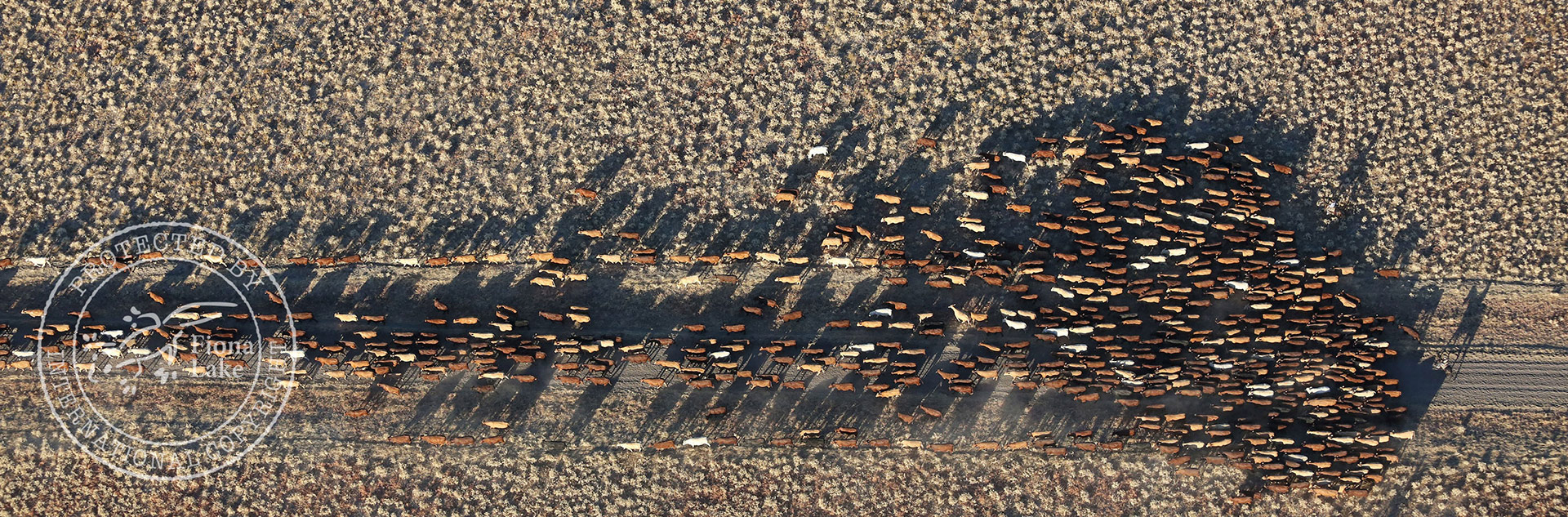
"Biggest Mobs - Longest Shadows" features the iconic Barkly Tableland, where the largest herds of cattle on the planet are found.
"Life as an Australian Horseman" is a best seller, running through a stockman's typical week on a variety of huge cattle stations spread across northern Australia.
A glossary is included in "A Million Acre Masterpiece" and these photos of outback cattle stations date back to 1984.
These authentic outback books are enjoyed by a wide range of people - read what other people think in testimonials. Or find out more about the book contents.
*PLEASE NOTE*: As of 31 October 2022, these 3 outback cattle station books are no longer available for purchase via the website. Please use the contact form if you have any queries.

Special offers
Orders for 2 or more books receive a great discount plus a free carrybag (when in stock).
Overseas orders - for 1 or more books - receive a free carrybag (when in stock).
Corporate orders - generous discounts apply to bulk orders - ask for a quote.
Most of the information on these pages refers to the most commonly produced prints, on photographic paper, however canvas and metal prints are also available.
Many people raise their eyebrows when they hear how much good quality framing will cost them. Is it really necessary to spend so much money just to surround something that already looks good?

It is easy to forget that the most important reason for framing art is not aesthetics at all. Quality framing techniques and materials have actually evolved over the centuries to protect valued art and help ensure it remains in good condition. And good quality framing is an art itself, so you aren’t just buying quality materials, you’re paying for the benefit of someone’s expertise.
All artwork can be damaged by cheap or inappropriate framing materials and methods. Deterioration may be rapid or it may only become apparent after some years. Like everything else, the better quality the materials, the more money they cost. Framing a 76cm x 50cm (30” x 20”) photographic paper print with good quality materials and methods will cost around $320 AUD upwards, depending on the size and the particular moulding chosen. If it costs less to frame your art then it’s unlikely to be a quality job. Unless of course the materials ‘fell off the back of a truck’ or the framer is not charging you for his time ('mates rates').
I arrange professional framing using good quality materials and the best methods. If it’s not good quality then why bother?
Some of the features of good quality framing of photographic prints
- Three quality ‘D’ mounts are screwed onto the back of the frame. These rings are suitable for most hooks, including gallery hanging systems.
- Stainless steel hanging wire is used.
- Felt pads are attached to the back of the frame to help protect the walls from scuff marks.
- Good quality timber mouldings are used that will not split or warp (unless dropped from a great height)
- Good quality glass is used. There is also the option of using specially coated glass that repels a higher percentage of u.v. light than usual glass.
- Prints are cold dry-mounted using a special press (but they can be hinge-mounted if preferred).
- Acid-free double mats or single mats with a ‘v’ groove are used.
Attention to details such as these helps to ensure that the photographic print and frame will not only look good from day one, but they’ll stay in good condition for many years. The businesspeople who do this framing are perfectionists. The owners have spent years living and working in the bush so are particularly good at choosing the most appropriate colours to complement the images.
Image Titles
The photographic prints are framed with an image title visible through a ‘window’ cut out of the top mat. This ‘title’ includes the name of the image, name of the station where the photograph was taken, and it is hand signed and numbered. It is printed on archival-quality paper with black pigment-based ink.
If you do not want the title framed with the photograph then make sure you mention this when placing your order. Alternatively if you would like a special message printed as well as the usual wording or instead of it then please explain this when placing your order. A personal message can make a gift all the more special, whether it is a corporate gift or a personal present.
Canvas prints and prints on metal are not framed with an image title, because the image is not surrounded by mat board.
Special message example, inset in the mat board under the glass:
‘In appreciation of your years of dedicated service 1979-2006
XYZ company, Melbourne’
‘ In celebration of 50 years of marriage, 1956-2006
from your loving children John, Jane and Geoffrey Smith’
Glass
Ultra violet does good things on the planet but it also causes irreversible damage. It is the most harmful form of light. Have you ever left your newspaper out in the summer sun for a few hours? Direct u.v. light will quickly fade colours, cause yellowing or bleaching and make paper brittle. So direct sunlight must be avoided as well as fluorescent lighting because it also contains a high percentage of u.v. rays. Incandescent lighting is much less harmful.

Superior glass that has a special coating to repel 98% of u.v. light is available for an extra cost. It is recommended that this glass be used to protect artwork that is to hang in offices continuously lit by fluorescent lighting and in rooms receiving a lot of sunlight. See Tru-vue glass manufacturers for more information.
Non-reflective glass can be used where reflections on ordinary glass make viewing the art underneath difficult. However there are some significant drawbacks. Most non-reflective glass lets in a much higher percentage of u.v. rays and the etched surface of the glass reduces the clarity of the art.
Non-reflective glass at the cheap end of the scale still costs quite a bit more than ordinary glass; and good quality non-reflective glass costs a good deal more. Personally I believe that this extra money is much better invested in improved lighting if possible. Good lighting will overpower any unwanted reflections and can make framed art look absolutely stunning, whereas non-reflective glass never ever improves the view of the art underneath. See Hanging & Caring for Art for more information on lighting.
Canvas prints are a good solution to a glare problem, however as they are usually stretched onto a frame rather than mounted behind a protective layer of glass, while they will last for years if looked after, they are more susceptible to gradual deterioration over the long term. Prints on metal should not be left in direct sunlight either.
Mat board

If photographic prints are framed touching glass they will stick to it when there is moisture in the air and surface damage to the print surface may result. So properly framed prints are surrounded by mat board to ensure there is air between the print surface and the glass. If the print is hinge-mounted rather than mounted onto board it will buckle in humid weather, so double mat boards should be used to ensure the print surface is kept well away from the glass in case the print absorbs moisture and bulges outwards. Mat board also absorbs moisture, reducing the likelihood that mould will grow on the photograph.
Usually prints will look much more impressive if surrounded by double mat board or single mat with a v-groove, and choosing specific colours will make a surprisingly significant difference to the atmosphere and impact of the image.
Mouldings
Good quality timber mouldings are used when framing photographic prints. Styles, widths and colours are chosen to suit the specific photograph being framed. Most of my photographs are ideally suited to wide, conservative timber frames that are medium to dark brown in colour. However there are many other good-looking options so please contact me to discuss any specific preferences. For example you may wish to complement other framed artwork or a particular style of furniture. Or you may need a relatively wide, flat moulding if you intend attaching an engraved plaque.
Canvas Prints
Canvas prints can be purchased unframed (supplied rolled up in a cylinder, like prints on photographic paper) or stretched over a frame (ready to hang on your wall). Unless otherwise requested, I order canvas prints with a black border (rather than the less practical white, which shows marks more clearly; or colours, which can be distracting and difficult to match exactly with the image). When the canvas print is stretched the edge of the image can be wrapped around the frame however this reduces the size of the finished image and puts the outside image details onto another plane (i.e. not visible from the front view), so unless otherwise advised, I have the canvas stretched onto a frame so that the whole image is visible facing outwards, and the black border is around the sides of the frame.
Because canvas prints are not usually framed behind glass they are sprayed with a matt finish varnish to enable them to be wiped clean with a damp cloth (unless otherwise advised).
Canvas print prices are not listed on the website so they cannot be ordered online - please email or ring to discuss your requirements or order.
Prints on Metal
Your image can have a box hanger (with a keyhole for a hook) fitted to the back, which keeps it approximately 15mm off the wall. Or your metal print can have a 33mm black or silver aluminium frame fitted to it.
Prints on aluminium are not listed on the website so they cannot be ordered online - please email or ring to discuss your requirements or order.
Framing Examples
Have a look at photos of previous exhibitions to view the style of standard framing for photographic paper prints: