



Art Buying & Investment F.A.Q.
Aspects to consider when buying art
Unique outback photography books featuring Australia's largest & most famous cattle stations.
These 3 coffee-table style books are designed to be a set. They contain more than 800 fascinating photos taken on nearly 60 huge cattle stations spread across the top of Australia.
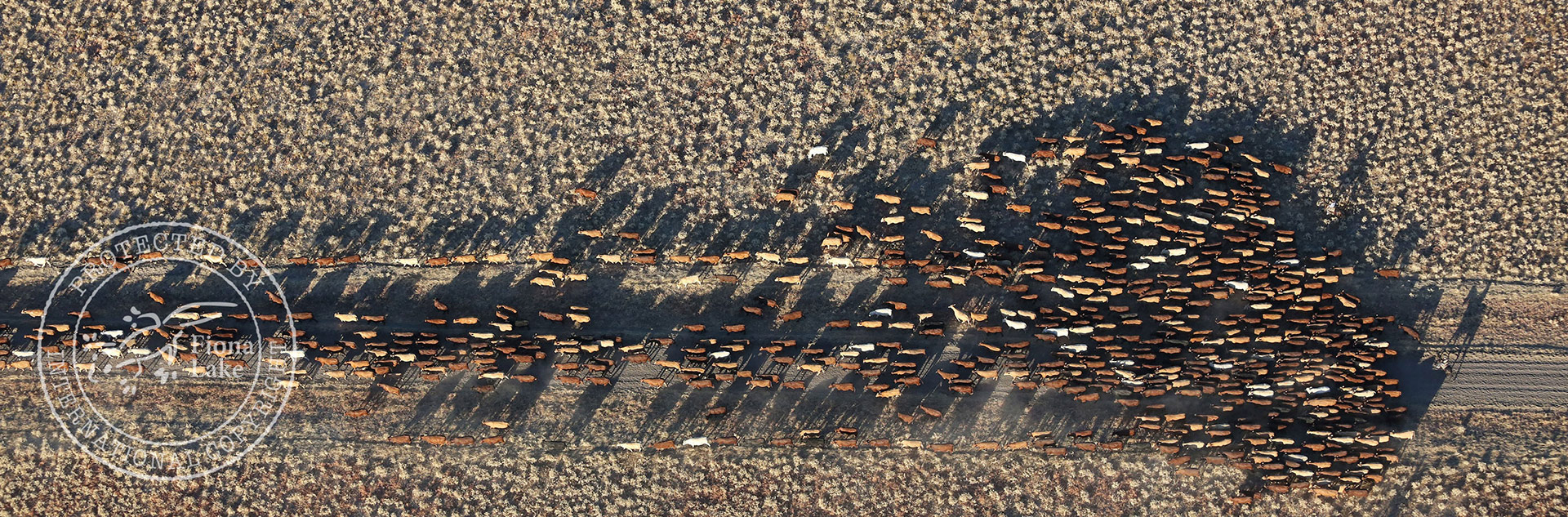
"Biggest Mobs - Longest Shadows" features the iconic Barkly Tableland, where the largest herds of cattle on the planet are found.
"Life as an Australian Horseman" is a best seller, running through a stockman's typical week on a variety of huge cattle stations spread across northern Australia.
A glossary is included in "A Million Acre Masterpiece" and these photos of outback cattle stations date back to 1984.
These authentic outback books are enjoyed by a wide range of people - read what other people think in testimonials. Or find out more about the book contents.
*PLEASE NOTE*: As of 31 October 2022, these 3 outback cattle station books are no longer available for purchase via the website. Please use the contact form if you have any queries.

Special offers
Orders for 2 or more books receive a great discount plus a free carrybag (when in stock).
Overseas orders - for 1 or more books - receive a free carrybag (when in stock).
Corporate orders - generous discounts apply to bulk orders - ask for a quote.
Many people are unused to purchasing fine-art quality photographs. They want to buy a photograph with the intention of keeping and enjoying it for years, but while they know what appeals to them, they aren’t certain what features should be checked and don’t feel confident about distinguishing what is really good quality or reasonable value.
Firstly, producing good quality photographs is expensive. So if the price is unusually cheap, be suspicious of the quality of the materials and methods used. But unfortunately there are also people cutting corners yet selling artwork with prices misleadingly suggesting good quality materials have been used. So ask about the following features. If you get plausible answers to these sorts of questions then you can be confident that you are buying genuinely good quality:
-
Professional printing:
Ask who did the printing because cheap prints can fade, develop colour casts and coloured spots. The best quality printing will give a better result which may or may not be immediately obvious, but more importantly, good quality printing will help ensure the image colours remain bright and true to the original for years to come. -
Professional framing:
Ask if the photograph has been professionally framed and whether archival methods and materials (acid-free) were used. At a glance some cheap framing may look passable when new but it will not wear well and probably cause damage to your artwork eventually. I’ve never met anyone who regretted good quality framing. The extra initial cost spread over the years is relatively small and well worthwhile. -
Limited edition:
If you are interested in buying art likely to increase in value, you should ask whether the print you’re considering is a genuine, low volume limited edition or an unlimited (‘endless’) edition likely to be printed thousands of times. Some unlimited production artworks are only produced in small numbers but others may have thousands of reproductions. Irrespective of the quality, if thousands are produced then the resale value is likely to be negligible. -
Some of the other considerations:
Is the artist well known and well respected in their field? Search for their name on the internet and see what turns up. Does the artist appear to be committed and have a track record, or are they just dabbling in a short-term sideline for a quick dollar? If they have produced artwork in other mediums this is usually a sign they are particularly creative. What’s the philosophy behind what they do?
Of course there are talented artists deliberately keeping an extremely low profile and there are very well known artists producing work of dubious quality (their primary talent may be their, or their agent's, marketing ability), so the above-mentioned aspects should only be used as a guide rather than a guarantee of quality or evidence of a lack of talent.
Also something else vital to consider – uniqueness. How similar is this artist’s work to whatever else is being reproduced? Are they leaders others are copying, or are they one of the copiers? Followers will always be one step behind the original and lack the difficult-to-define but nonetheless unmistakable quality distinguishing creative originals from the rest. In the long term, it is of course the truly creative leaders whose artwork increases in value and the coat-tailers who are forgotten relatively quickly. -
Last but not least – choosing which image?
People I know frequently disagree with my choice of images. For a while this used to worry me but then I got over it. Through exhibiting over the years I have learnt everyone has different preferences and different reasons for those preferences. And it’s often not possible to accurately predict what someone will like best, even if you know them well.
 So however obvious this may seem, remember the most important rule – when buying for yourself, always choose what you personally care about and feel moved by. Develop your own judgement and then have faith in it. Talk to the artist - you may be surprised to discover that what you say about your favourite artwork, is exactly what the artist had in mind. Nobody needs a degree to have a worthwhile opinion on art - everyone's opinion is valid. You can be certain there are other people who will feel the same way, who will see what you see, and understand.
If you are buying a gift for someone else, you may like to consider purchasing a gift voucher. Most people receive a great deal of enjoyment from choosing an image they like best, and you can relax knowing that they are deciding exactly which image they like the most.
What to consider when investing in artwork
 Art purchased for legitimate business-related purposes can be claimed as a tax deduction. Business purposes include work hung on office walls or given as gifts to employees, customers and business partners.
Art bought for thousands of dollars for purely investment purposes can be written into tax returns as genuine expenditure on capital investments. However by law the artwork must not be used for any other purpose (in the same way that you can’t [legitimately] claim your personal holiday house as a business investment). In other words investment artwork must not be hung on the wall and enjoyed, it must be carefully stored away out of view. Of course anyone who creates artwork does it to be publicly enjoyed so artists find this difficult to fathom (as difficult to fathom as people who buy famous stolen art that they must keep locked away so no-one else ever sees it). Your accountant should be able to provide specific advice on tax rules relating to art investments.
Buying fine art purely for investment purposes is considered to be a speculative occupation. If you buy well known artworks costing tens of thousands of dollars then you could potentially make a lot of money – or you could lose a lot of money. As in property and sharemarkets, if you wish to increase your chance of making a reliable profit for a relatively small outlay the smart thing to do is to buy well – top quality selling below comparable prices elsewhere. Sooner or later undervalued prices catch up. This is why quality Australian photographs are a good buy. It is generally accepted that Australian photographs are first class quality yet very undervalued by worldwide standards, particularly when compared to prices paid for similar quality in Europe and the U.S. Australia has some of the most talented photographers in the world, as a trawl around the internet will reveal.
 The scarcer the work and the lower the edition number, the higher the resale value. So number 1 of any edition is the most valuable print to own. In addition to which number 1 is a particularly good value purchase because prices usually rise towards the end of an edition run.
Ideally you buy art you can enjoy for years but which will also gain in value. Obviously the fundamental essential rules of any investment apply - buy art that is technically and artistically of good quality. Be cautious about buying what is considered to be the current ‘height of fashion’ because it’s likely to cost top dollar, and whatever scales these peaks is most likely to plunge to the lowest valleys when the cycle turns. If it’s not solid quality, it’ll never get out of the valley again.
The finer points of quality considerations when buying photographs are listed in ‘Buying Advice – Aspects to Consider’ (above).
How Can You Tell What is 'Good' Art?
For centuries people have argued about what is ‘good’ art. How do you tell good from bad?
There are two fundamental aspects – the technical skill involved in producing it, and the idea or inspiration behind it. A good idea badly executed is ultimately a failure, and vice-versa. To a certain extent, asessing whether an artwork has a high technical standard and an interesting, original idea behind it can be judged in a reasonably objective manner.
The third aspect is the indefinable quality that turns good art into brilliant art.
All notable art has one thing in common: when you see it, it evokes some sort of emotional response. If you look at it and feel completely unmoved then it has completely failed in its purpose in life – a failure for you, at least. It is just pretty wallpaper (if that). It doesn't matter how technically proficient it is or how creative it is - if the viewer is unmoved, then the artwork has failed. Conversely if you look at an artwork and feel passionate, enthusiastic, mournful, contemplative, inspired, fascinated - some sort of strong emotion - then the artist has had a degree of success.
Whether or not it is your particular ‘cup of tea’ is a completely subjective field, that should not interfere with your judgement on whether it is quality art.
Art is something that should ultimately be bought with the heart, not the head.