



Australian Outback Words & Expressions
There are hundreds of words and expressions that are almost exclusively used in the Australian bush, and not elsewhere in Australia.
A large list of explanations, from bedourie oven and carbide light to dingo's breakfast and dough banger, has been published in the glossary included in the book "A Million Acre Masterpiece”. Many of the glossary terms and expressions also feature in the photograph captions in the first book, and the sequels, "Biggest Mobs - Longest Shadows" & "Life as an Australian Horseman". The detailed explanations in the glossary are not located here on the website; instead the website concentrates on the differences between language used in Australia and elsewhere.
Quite a few of the words commonly used in Australia are derived from, or related to, Spanish words. For example ‘rodeo’ (rodear), bridle (brida) and barbeque (barbacoa; Spanish but originally from South America or the Caribbean, perhaps Haiti).
Spanish ‘vaqueros’ (cowboys) worked in what is now the American South West at the very beginning of the U.S. beef industry. Consequently many more of the words commonly used in America are derived from Spanish words, for example ‘stampede’ originates from ‘stampida’, ‘cinch’ from ‘cincha’, ‘lariat’ from ‘la reata’ and ‘lasso’ from ‘lazo’.
Instead of imported words being added to the Australian language in recent years new arrivals have begun to displace many unique words and expressions that have developed with the cattle industry here. While it is natural for languages to evolve and become more expressive, these alternative words often aren’t as colourful or accurate as the originals.
Australia is losing these unique expressions more rapidly than other countries because the cattle industry here is only two centuries old and this is one of the most urbanised countries in the world.
An ever-decreasing percentage of the population has a direct connection with the bush so fewer and fewer people have first hand knowledge of the language commonly used on stations and farms. So this means that the very strong overseas film and advertising industry has a much greater impact than would otherwise be the case.
People are using words from other countries (particularly the U.S.) simply because they are unfamiliar with the home-grown alternatives, and a young culture is not as resilient and resistant to change as an older one.
Many of these endangered words and sayings are very evocative or extremely witty, indicative of the typically dry humour found in the Australian bush. It would be a tragedy if they disappeared completely from our language. (If you want a solid dose of Australian ‘slang’, in particular witty rhyming slang, read some C.J. Dennis.)
Quite often these increasingly uncommon words appear in my photograph titles, simply because they’re the most accurate or appropriate words.
Words & expressions used in rural Australia, along side American words & expressions with similar meanings, that are now used by some Australians
Unique outback photography books featuring Australia's largest & most famous cattle stations.
These 3 coffee-table style books are designed to be a set. They contain more than 800 fascinating photos taken on nearly 60 huge cattle stations spread across the top of Australia.
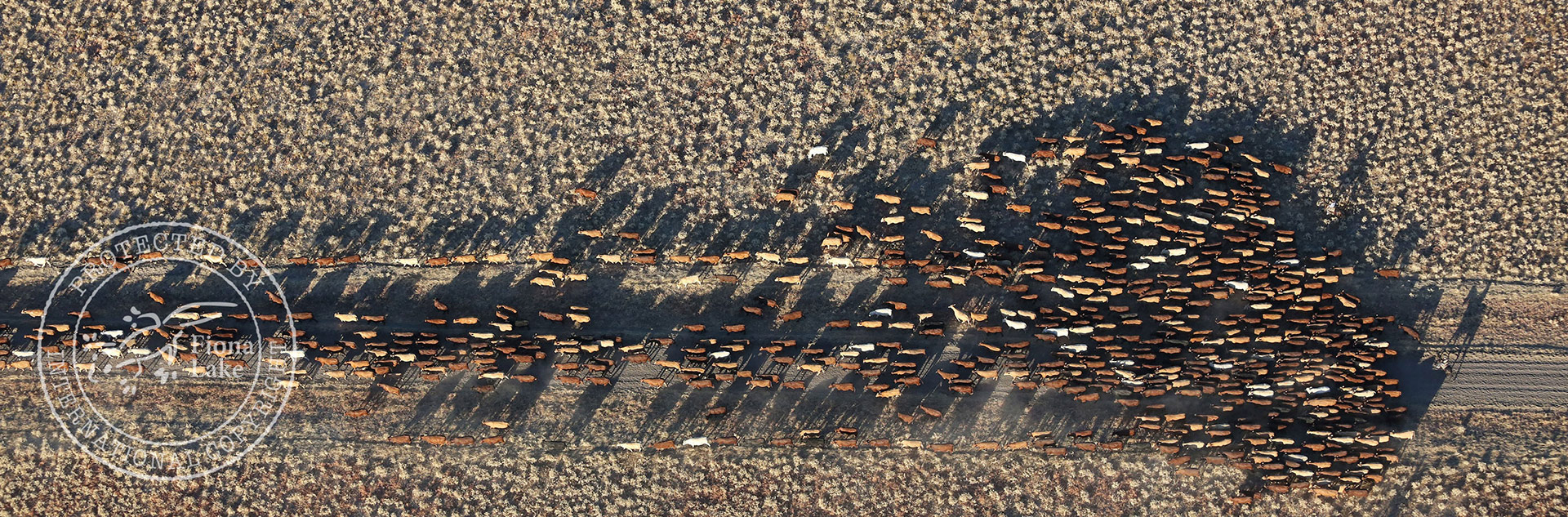
"Biggest Mobs - Longest Shadows" features the iconic Barkly Tableland, where the largest herds of cattle on the planet are found.
"Life as an Australian Horseman" is a best seller, running through a stockman's typical week on a variety of huge cattle stations spread across northern Australia.
A glossary is included in "A Million Acre Masterpiece" and these photos of outback cattle stations date back to 1984.
These authentic outback books are enjoyed by a wide range of people - read what other people think in testimonials. Or find out more about the book contents.
*PLEASE NOTE*: As of 31 October 2022, these 3 outback cattle station books are no longer available for purchase via the website. Please use the contact form if you have any queries.

Special offers
Orders for 2 or more books receive a great discount plus a free carrybag (when in stock).
Overseas orders - for 1 or more books - receive a free carrybag (when in stock).
Corporate orders - generous discounts apply to bulk orders - ask for a quote.
- ‘breakaway’ — ‘gulch’
- ‘brumby’ — ‘mustang’, ‘bronco’ — see more horse-related words in other languages
- ‘bushfire’ — ‘brushfire’
- ‘camp oven’ — ‘dutch oven’ — see more words for stockman's gear in other languages
- ‘canter’ — ‘lope’
- ‘catching rope’ — ‘lariat’ and ‘lasso’
- ‘cattle dogs’ — ‘cow dogs’
- ‘cattle yard’ or 'stockyard' — ‘corral’
- ‘chook shed’ — ‘chicken coop’
- ‘cleanskin’ — ‘maverick’ — see more cattle-related words in other languages
- ‘cook’s wagon’ or ‘buncart’ — ‘chuckwagon’
- 'duffing' — 'rustling'
- ‘girth’ — ‘cinch’
- 'greenhide' — 'rawhide'
- ‘headstockman’ — ‘foreman’, ‘leading hand’
- 'hobby farm' — 'dude ranch'
- ‘horsetailer’ — ‘wrangler’
- ‘jillaroos/jackeroos’ — ‘cowboys/girls’
- ‘jackeroo’ — ‘greenhorn’
- ‘jump-up’ — ‘mesa’
- paddock’ — ‘field’, ‘meadow’
- ‘mob’ — ‘herd’
- ‘muster’ — ‘roundup’
- ‘ringer’ — ‘cowboy’
- ‘stockman’ — ‘cowboy’ — see more stockman-related words in other languages
- ‘roughriders’ — ‘cowboys’
- ‘rush’ or 'jump' — ‘stampede’
- ‘scrub’ — ‘brush’
- 'shed' — 'barn'
- ‘stations’ — ‘ranches’ — see more words for cattle stations in other Languages
- ‘swag’ — ‘bed roll’
- 'tabletop' - 'mesa'
- ‘track’ — ‘trail’
- ‘trot’ (the 2nd horse gait) — ‘jog’
- ‘tucker’ (tuckerbox) — ‘grub’
- ‘ute’ — ‘pickup’
Explanations of quirky words and expressions used almost exclusively in remote Australia are not located on the website. They are however included in the photograph captions in the books "Biggest Mobs - Longest Shadows", "Life as an Australian Horseman" & 'A Million Acre Masterpiece', and the latter book also includes a glossary.
Please note: the text on these translation pages is protected by copyright laws, like the rest of the website.
Many hours of work have been spent compiling these pages of translations, cross checking as much as possible, to ensure accuracy. But because I am not a linguistics expert all words and meanings translated here should be cross checked with other sources before being quoted, because I am not able to guarantee there are no errors.