
outback information

Horses, Mustering & Horse Sports

Introduction

The love of horses and good horsemanship crosses worldwide boundaries of language, race, education and income and this admiration dates back thousands of years.

A good horse and a good rider are always a mesmerising sight to behold, it doesn’t matter where they are or what they are doing. My own riding skills are sufficient only to get the good mustering photographs that I want. But I can imagine what it takes to achieve the excellence that others have, and love to see it in action.

In Australia sheep are now usually mustered with motorbikes instead of horses in all but very hilly country, and they are no longer used for any other agricultural activity. So it is natural that anyone with an interest in horses should gravitate towards cattle stations.

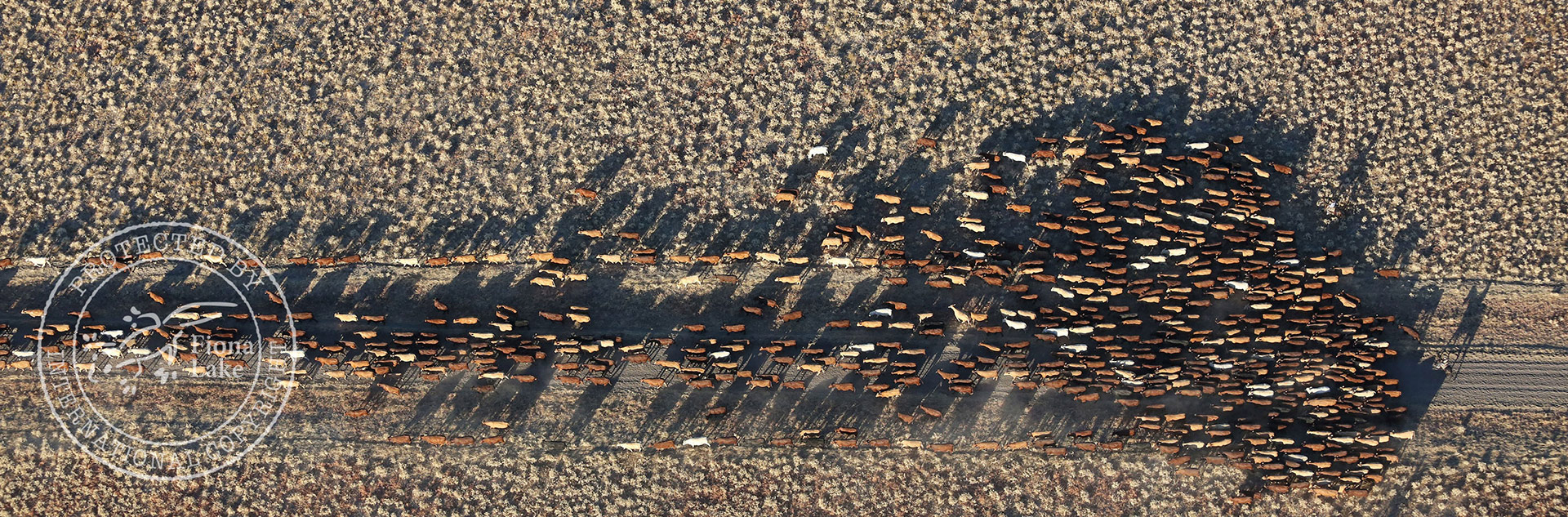
Almost half of the photographs in the book ‘A Million Acre Masterpiece’ include horses, and they are the subject of the second largest chapter. The largest chapter is about mustering so it concerns horses as well, because they are still essential to the running of large cattle stations today (more on this below).

The internet is also a horse lover’s paradise. Months could easily be spent digging up interesting images and information on equine history, different breeds and their varied place in society, horse organisations, artists and writers who specialise in horses, horse-related merchandise, saddlery (tack), museums, technical information and every other equine-related subject.

Here is a bit of a summary of some of the major and particularly interesting horse websites, plus some specific information on Australian working horses:

The History of Horses

Flies

Horses were first domesticated around 3000-4000 BC. give or take a few centuries. This was around the same time that cattle were domesticated.

There is some disagreement amongst hippologists (scientists who study equine history – nothing to do with hippos!) about exactly when and where domestication occurred first. Many believe today’s horses are descended from the Przewalski horses from the steppes of Central Asia (Mongolia). There are many articles on the internet with differing opinions. One well-written version of the evolution and domestication of horses can be found on Equiworld.

Horses have had more influence on the evolution of cultures than any other animal throughout history. First domesticated to provide milk, meat and hides they graduated to being an indispensable means of speedy transport and willing freight carriers, making possible journeys of hundreds or even thousands of kilometres.

Along with bullocks they then became an exceedingly valuable agricultural labour-saving device; ploughing, winnowing, carting and performing other farming-related tasks (hence the word ‘horsepower’).

The use of horses in war has also earned them a unique place in history. An army of quality neddies with good horsemen on top meant the difference between expanding the mighty kingdom or relinquishing the lot to armies of bloodthirsty invaders. It is no wonder that horses have been revered for thousands of years, because they spent many centuries effectively defending nations.

It is only during the last 100 years that horses have slipped from being a vital part of most cultures, deposed by infinitely more powerful motorised transport and machinery requiring much less skill to do a good job with. The essential occupations of the horse have all but disappeared in most societies, replaced by recreational roles only. Apparently it was only in 1948 that there were finally more motor vehicles than horses in Australia.

Today Australian horses are used for sport and working purposes. Most of the working horses are on farms and stations, but there are a small number of horses in the mounted police force. Several Australian states have information on their websites regarding the breeding, training and role of the horses used by the mounted police. For example NSW, Western Australia and South Australia. A handful of horses are employed by police stocksquads also, for example in Queensland where stock horses are essential for mustering suspect cattle.

Australian Station Horses — the Work

Cattle Station Horses

Order a copy of the book “A Million Acre Masterpiece” and you will own a unique record of Australian cattle station horses.

The chapter on horses is the second largest in the book, and almost half of the photographs include horses.

Order online »

Australia is one of the few ‘western’ countries in the world that still employs large numbers of horses for genuine work purposes. Horses are still indispensable on the biggest cattle stations and in the roughest countryside. While helicopters and a motorbike or two may do most of the gathering, horsemen and women are still the ones who settle the mob and walk it to the yards. It’s also horsemen and horsewomen (not motorbike riders) who tail out weaners so they are easier to muster in years to come. Refer to Helicopter Mustering for more information.

Due to the quantities required it is usual for the largest cattle stations to breed their own horses. Mustering on horses born and bred in the local area has a big safety advantage in that they are much more sure-footed in the country they grew up in.

When foals are learning to walk and skittering about in the paddock with their mates they learn to negotiate any of the local hazards such as crumbling black soil cracks, splintery timber, loose stones, gilgais, gullies and breakaways hidden in long grass.

Dealing with these potential disasters becomes instinctive, and when burdened with a rider in adulthood they’re far more likely to avoid these hazards or recover well enough so they don’t fall. They often stay in better health, also, because over several generations natural selection favours the most well suited animals.

On the largest stations the horses often start work before sunrise and finish late in the afternoon or even after sunset, frequently with only a few riderless hours during daylight. Horses are only shod in areas where stone bruising is a problem.

Each ringer has a ‘string’ of horses and these three or four are rotated so that they usually don’t have to put in a full day’s work two days in a row. Horses are very busy during the mustering season however they have a completely idle time in the months over the wet season and weeks off in-between the first and second mustering rounds.

The horses live on the native grass in large paddocks as the cattle do, but usually these days the horses are given a nosebag of grain after work each day to maintain their condition and energy.

Australian Station Horses — their Health

Swimming Colts

There’s nothing as efficient as the necessity to stand up to endless long hard days of physical work to ensure the honesty of a breed (some would argue this also applies to the human race).

As soon as a breed of horses (or dogs, for that matter) are no longer required to perform the work they were originally developed for, more emphasis is inevitably given to superficial traits such as coat colour, which will to some degree interfere negatively with sound breeding decisions. This then leads on to increased genetically inherited problems such conformation faults, diseases and health weaknesses, and often compromises the ability to reproduce and give birth without intervention.

Horses on large cattle stations possess a number of good qualities but soundness is one of the most noticeable ones. The nearest vets are hundreds of kilometres away and there is no money to pay for anything but routine treatments so it has always been a case of nature’s law of ‘survival of the fittest’.

There are a number of native plants that can poison horses in remote areas. Horses born and bred in the area are less likely to have problems with poisonous plants than animals that are new, presumably because old hands are more likely to know what to steer clear of (those that scoffed into it didn't live to breed on). There can be an increased chance of deaths during a drought when stock eat plants they'd normally avoid, but the risk is highest when the drought breaks and a particular poisonous plant flourishes. Parts of the Kimberleys have a lot of trouble with horse poisoning and it has always been particularly difficult to prevent deaths in the Alice Springs region. This is perhaps the main reason why motorbikes replaced horses much earlier in the Alice Springs area — something that sped up during a run of good seasons in the late 1970s, when indigofera plants flourished.

Pyrrolizidine alkaloids are found in Heliotrope and native 'rattlepod' (Crotalaria) plants as well as in introduced Paterson's Curse/Salvation Jane. Too high a consumption results in liver damage and death, and there is no cure. Common names for the illness are 'Kimberley disease', 'walkabout disease' and 'Chillagoe disease'.

Horses and cattle that consume quantities of summer-growing Birdsville Indigo (indigofera linnaei) will develop the eventually fatal 'Birdsville disease'. Research is continuing however it is thought that the amino acid indigospicine is what causes the permanent liver damage.

'Darling Pea' and other Swainsona species are winter-growing plants that poison horses due to indolizidine alkaloids. Ingestion causes similar symptoms to Birdsville disease. Swainsona poisoning is typified by loss of co-ordination and hoof dragging, which wears down the front surface of the horses hooves, especially the hind hooves. Damage to the nervous system is permanent and there is no cure. Horses become too dangerous to ride as they lose control of their hindquarters, and they die in a matter of weeks if not prevented from accessing the poisonous plants. Horses seem to become addicted to Swainsona and Birdsville Indigo plants and will deliberately seek them out once they get a taste for them.

Ironwood and Whitewood trees can also cause poisoning in horses, camels and cattle as well as Georgina gidyea at certain times of the year, when the latter contains a lot of fluoroacetate (1080).

The RIRDC has published a comprehensive guide to Plants Poisonous to Horses. The introduction and book index can be found on the RIRDC website.

The Horse Federation of South Australia has a useful list of southern plants that can cause problems and there is a detailed discussion by Dr Ross McKenzie about poisonous Australian natives at Australian Plants Online. (It's enough to make you realise that trying unfamiliar bush tucker would be very unwise.)

Australian Horse Quarantine

There are more than 1 million horses in Australia. Australian horse quarantine is very strict to prevent the importation of a number of exotic equine diseases (viral and bacterial infections, and parasites). The RIRDC has a very comprehensive booklet on Equine Exotic Diseases. It contains details of disease symptoms plus clear photographs, information on how to avoid importing a disease, how to report suspect cases, and what to do if an outbreak is suspected or confirmed.

Australian Station Horses & Their Origins (Breeding)

Draft horses, coach breeds, ponies, riding and race horses were brought to Australia after European settlement commenced in 1788. The Waler Horse Society of Australia has a very interesting article that lists many of the horse breeds that were shipped to Australia in the first years of settlement. These horses are the earliest ancestors of stockhorses on northern cattle stations today. They are mostly breeds developed in the U.K.: Thoroughbreds, Clydesdales, Suffolk Punch, Cleveland Bay, Lincolnshire Trotter, Norfolk Roadster, Yorkshire Coacher, Shire horses and Hackney. Other breeds noted are from Spain and elsewhere: Percheron, Arab, Cape horses (Basuto, Java and Barb ancestors) and Timor ponies.

Percheron and other heavy horse stallions were put with station brood mares to produce the strong types required as bronco or ‘cow horses’ during the decades when bronco branding was usual. Thoroughbred stallions have been very common, partly because it has suited the many station owners and managers who have had an enthusiastic interest in bush racing. While most stations have always been naturally particular about having good quality horses (sound, good temperament and with the essential ability to do a good job of the work required), purebreds and fancy types are almost as scarce as chook’s teeth. Pedigree papers have never been important in remote Australia, and it’s not just horses that are judged on performance alone.

Waler horses (a particular type of farm and station horse named after the state of New South Wales) were used in the Boer war and World War I. The Australian Light Horse Association has a very interesting list of links relating to the military horse associations such as the Lancers and the Hussars. The Waler is now a registered breed as is the Australian Stockhorse.

Brunette Downs is probably the only large Australian station to ever produce purebred horses on a significant scale. Brunette became well known for the Quarter horses that were introduced by the American owners King Ranch in the 1950s. There are a number of Quarter horse associations in Australia now, for example the Australian Quarter Horse Association based in Tamworth.

Australian Brumbies

Many stations in remote areas have a brumby mob or two. So long as numbers don't get out of control, they're usually left alone, although sometimes they'll be yarded and some of the best types broken in to work. Station brumbies are descendants of working horses or pensioners that escaped into larger paddocks — most of them not many generations earlier. There are larger mobs of brumbies in state forests and national parks. Many people have a romantic vision of wild horses galloping freely down a scrubby mountainside with long manes and tails streaming. Unfortunately the reality of a brumby's life is uncontrolled breeding, no veterinary care and no handfeeding during drought — often ending in a long painful death due to injury, disease or age-related problems. Mother nature at her most typical, but it's not pretty. In-breeding can result in genetic defects and ungainly confirmation such as unusually large heads and other oddities. Starving horses with untreated injuries and diseases, and colts and stallions fighting viciously for herd supremacy doesn't fit the romantic dream — but unfortunately that's sometimes the reality of a brumby's life.

National parks have been set aside to preserve the natural environment for future generations and no feral animals have a logical place there, amongst the native animals and plants. Ideally brumbies could be trapped and relocated to privately owned land (enabling some sort of management to take place, even if it's just ensuring food and water is adequate during droughts, avoiding in-breeding and humanely euthanasing animals in severe pain). Trapping is a realistic possibility in inland areas where watering points are centralised but in areas where water is plentiful, horses have to be mustered into trapyards. Helicopter shooting has occurred in some inaccessible areas but politically it's not popular. Noisy opponents often seem short on realistic alternatives, or they argue that the horses have no impact at all on the environment. Everything has an impact on the environment, it's called the web of life, it's just the degree of impact that is debatable. Research conclusions seem entirely dependent on who has commissioned the research.

New Zealand has had similar discussions regarding the Kaimanawa horses, a herd of wild horses located in the mountains of the same name on the North Island. Some major animal welfare organisations clearly had a dose of realism because they recommended helicopter shooting as the most humane method of reducing numbers — far less traumatic than capturing them.

The National Feral Horse Summit (August 2006) has a very comprehensive paper on brumby management in Australia. With a clear index it is easy to navigate around the 89 pages, and it is highly recommended reading to anyone interested in wild horse management.

Spain and Spanish Horse Breeds

Spain receives a special mention because it has had a significant indirect influence on the cattle stations in Australia and a direct influence in the Americas.

For example many horse breeds common in America and Australia are descended from Spanish breeds. Spain has also had a substantial influence on the skills, traditions and language on cattle stations (see the ‘Rural words in other languages’ pages).

This influence is of course fundamental in South America as so much of it was settled by the Spanish in the 16th century. The unique breed described as ‘the Latin American horse’ evolved over several centuries into an ideal type for cattle work. Large numbers are still used to muster cattle on the estancias (Argentina), fazendas (Brazil), haciendas (Peru), fundos (Chile), hatos (Venezuela) and cattle operations in other South American countries.

This horse does not have a consistent name between the countries but is commonly referred to as ‘criollo’ in Argentina and Uruguay, ‘crioulo’ in Brazil, ‘costeño’ and ‘morochuco’ in Peru, ‘corralero’ in Chile and ‘llanero’ in Venezuela. Interesting information regarding the ‘criollo’ can be found on Conquistador, the International Museum of the horse, Wikipedia and Just a Criollo.

Other Countries and Sources of Information on Breeding

Wikipedia has a lot of very good horse information, such as the history of horses, details of horse gaits and names of horse anatomy.

Anyone interested in understanding why horses do what they do should visit Dr Paul McGreevy's excellent website, Animal Behaviour. It covers a wide range of topics eg. information on the senses, for example what colours horses can see, discusses the basic differences between 'warmblood' and 'coldblood' horses and basic horse behaviour. He has also produced a book called Equine Behaviour.

The U.S. state of Kentucky is known for horse breeding and is home to the famous horse race the Kentucky Derby (similar to The Derby at Epsom in England). With about 50 different breeds of horses on show, regular exhibitions of horse-themed art and the International Museum of the Horse, the Kentucky Horse Park in Lexington looks like heaven for horse lovers. The website has a very long list of links to horse-related organisations and businesses in the U.S. and other parts of the world and information on more than 100 different horse breeds.

Particularly historic and popular horse breeds such as Lipizzaners have an especially large number of websites dedicated to information and photographs. The famous Spanish Riding School in Austria also has a website. As is the case for many horse breeds today, there are a large number of Lipizzaner organisations outside the country of origin.

There are many very interesting country-specific horse websites such as Troika, which is dedicated to horses in Russia. The Vikings carted horses over to Iceland in their ships around mid-800AD and now these Icelandic horses are a unique breed, numbering in the thousands.

Australian Horse Sports and Entertainment

Polocrosse, Polo, Campdrafting, Rodeos, Show Jumping, Dressage, Eventing, Endurance, Olympics and Horse Racing

The Australian Horse Industry Council has a very detailed list of links to ponyclubs, flat racing and harness racing associations, eventing and equestrian organisations. There is also a wide variety of other useful links on practical topics such as drought feeding horses, horse agistment, horses and bushfires, hoof care, horse diseases and quarantine.

Bronco branding:

For more info on bronco branding check out the specific page on this website.

In the late 1980s bronco branding was developed as a sport by old bushies who didn’t want to see the skills disappear. It is a specifically Australian outback sport with events held in Queensland’s Channel Country and north-eastern South Australia during the dry season. A brief explanation of the bronco branding event can be found at the Barcoo Shire Council website.

Polocrosse:

The Polocrosse Association of Australia has a very well written history describing how the game developed in Australia after 1938 from a basic version adapted from polo played in England. The website also has a comprehensive list of links to polocrosse associations all over the word. Visit Polocrosse Worldwide.

The Polocrosse World Cup was held in Warwick (southern Queensland) in April 2007. Competing teams were from New Zealand, U.K., Ireland, Canada, U.S.A, South Africa and Zimbabwe. A world cup event is a great opportunity to see the world's best polocrosse riders in action and with luck it will be held again in Australia before too long.

Polo:

Generally speaking Australian polo is played in more settled areas – it’s a different cup of tea. Put it this way; there are more stockhorses playing polocrosse and more millionaires playing polo. Visit the Australian Polo Association for information and the Federation of International Polo for a lengthy list of overseas associations.

Campdrafting:

The sport of campdrafting developed from the skill of cutting specific beasts out of a mob on stations, where there were no yards or drafting races.

For information visit the Australian Campdraft Association or the Southern Campdraft Association. The Warwick Gold Cup (Queensland) is one of the most prestigious competitions.

Endurance:

The Australian Endurance Riders Association has a detailed calendar of Australia-wide endurance events and a good list of links to endurance riding associations in Europe, North America and South America.

The Australian championship event is the famous Tom Quilty Endurance ride begun by Tom Quilty and R.M. Williams in 1966. It is now a strenuous 160 kilometre (100 mile) ride that attracts riders from all around Australia, the United Arab Emirates and New Zealand.

Champion endurance horses are usually purebred Arabs or not far from it. In recent years the United Arab Emirates has had a huge influence on endurance riding in Australia, with many Australian champion horses being sold into the UAR for very high prices and owners have been paid well to train winning horses for UAR owners.

Rodeos and horse sports:

Many of the rodeos and horse events held across the north during the dry season have become institutions on the social calendar that people travel hundreds of kilometres to attend.

Particularly well known are the events in Derby, Fitzroy Crossing, Halls Creek, Kununurra, Timber Creek, Pussycat Bore, Darwin, Katherine, Tennant Creek, Brunette Downs, Mt Isa, Cloncurry, and Mareeba. The Mt Isa Rodeo is Australia’s biggest rodeo.

Members of the Australian Bushmen’s Campdraft and Rodeo Association are mainly one-day (amateur) competitors, most of whom live relatively close to the particular event they attend. The website has an excellent explanation of campdrafting and the various rodeo events such as bullriding, bareback riding, saddlebronc, steer wrestling, rope & tie, team roping, ladies barrel racing, breakaway roping and steer undecorating.

The Australian Professional Rodeo Association is the national professional organisation and it has more of an American influence than the Australian Bushmen’s Campdraft and Rodeo Association.

Dressage, showjumping, eventing, driving etc:

The Equestrian Federation of Australia has regular updates on how Australians are faring in dressage, showjumping and eventing competitions within Australia and overseas, as well as detailed information on insurance, judging, accreditation, event rules and regulations, competing overseas and horse and rider applications.

The International Federation for Equestrian Sports (Fei – Federation Equestrian Internationale) has a comprehensive calendar of international horse competitions.

These include the World Equestrian Games, The World Cup Jumping Final and the European Dressage Championships plus other shows that have eventing, driving and endurance events. A visit to this website never fails to make my feet itch, I’d love to visit some of these spectacular horse events in person.) The Fei website also has an interesting history of the less well-known sport of tent pegging.

The Olympic website has information and photographs of the Olympic Equestrian Events (Dressage, Evening and Jumping).

I hope free-to-air television stations will eventually give Olympic equestrian events more airtime. It is easily the most expensive Olympic sport to compete in, particularly for people in the southern hemisphere who have to cart their horses such a long way.

In fact most Australian equestrian competitors of international standing have to base themselves in the northern hemisphere for financial and practical reasons (including livestock quarantine issues), and Australians quite often compete on borrowed horses. It is surely also the most difficult sport to win, given that competitors must not just perform perfectly on the day themselves, their horse must also. Olympic equestrians deserve much more recognition.

Horse racing:

Lastly, the annual horse event that all Australians are familiar with. Many people argue that there should be a nation-wide public holiday on Melbourne Cup Day. A very sensible idea since most people take the afternoon off anyway. I have even been on a train that the driver very thoughtfully pulled up in the middle of a paddock so that all the passengers could hear the running of the race on the crackly intercom system.

Like all big horse races it’s unfortunately mostly about money these days, but the atmosphere at Flemington is electric.

Equine Art

There are acres of absolute rubbish to wade through when searching for good quality art on the internet. (One classic I dug up was described as ‘quality oil paintings – all hand made’. Is there any other way to make an oil painting, other than by hand?)

Artcyclopedia has a good quality list of well-known classical painters and sculptors who have specialised in horses and other animals. This list is mostly American but there are some artists from Canada, Europe and Britain on it, including the famous English painter George Stubbs who is the world’s most famous painter of horses.

The Tiiryazev Moscow Agricultural Museum of Horse Breeding has a stunning collection of classic Russian paintings of horses. These beautiful paintings are a sound reminder of the historical significance of horses in Russia.

website by city of cairns.com